
TRAUMA
What is trauma?
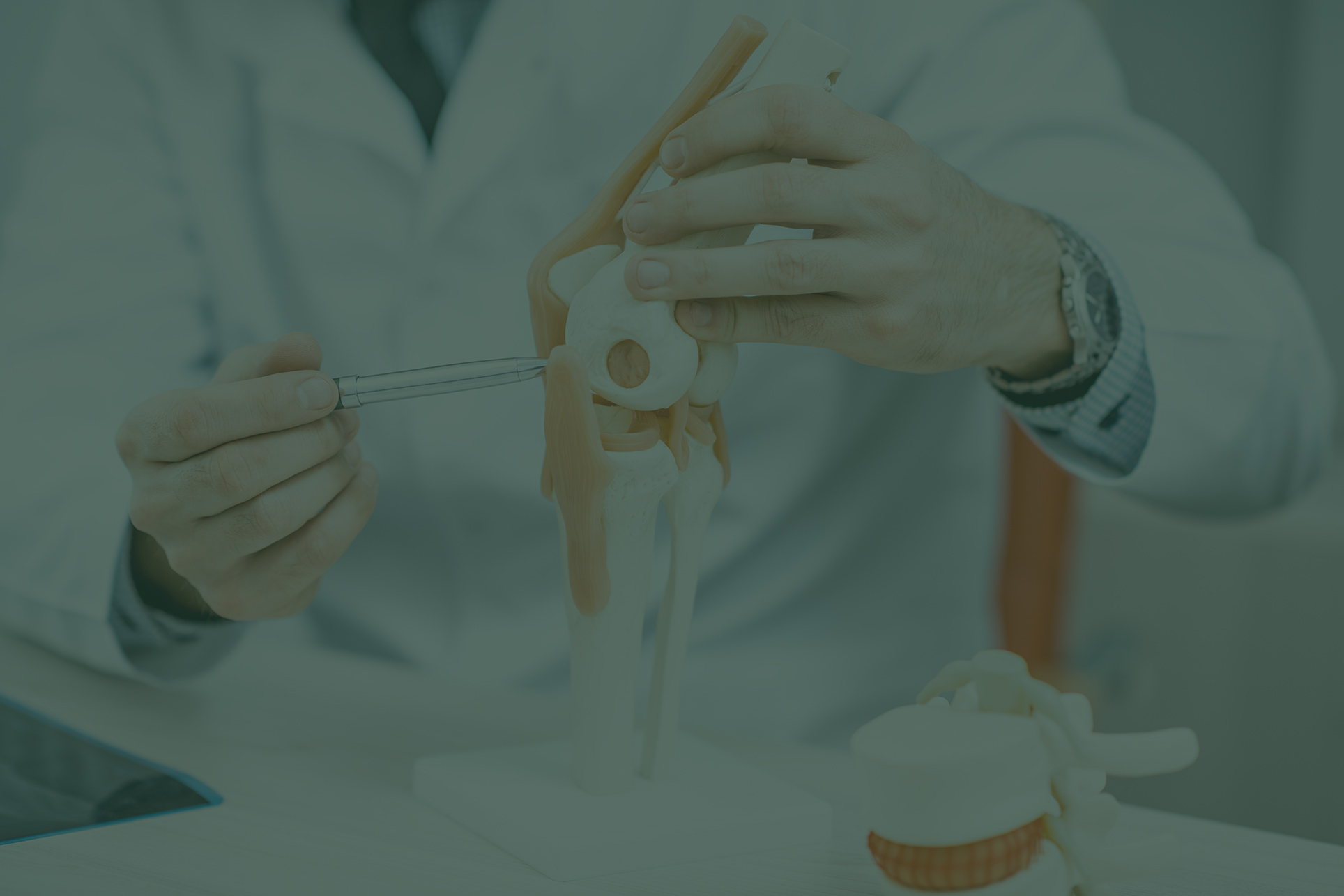
Trauma occurs when an external force causes an injury to the body. When a section of the musculoskeletal system (bones, joints, muscles, tendons and ligaments) is injured, it is known as orthopaedic trauma.
Types of orthopaedic trauma
By far, the most prevalent type of orthopaedic trauma is bone fractures. Injury, collision, sustained stress from overuse, or bone-weakening illnesses like osteoporosis can all cause fractures. Based on the location of the break, its severity, and your overall health, your orthopaedic surgeon will classify the fracture and treat it accordingly. Sprains, dislocations, and infection are all examples of orthopaedic trauma. Traumatic injuries almost often necessitate immediate surgery to heal correctly.
These injuries, most frequently the result of an accident, may involve damage to:
- Bones
- Joints
- Muscles
- Tendons
- Ligaments
What are treatment options?
While not all fractures require expert treatment, some complicated fractures may require the attention of a trauma specialist. Treatment options include minimally invasive surgery, enhanced external fixation, and the use of bone transplant substitutes and bone-forming proteins. Nonoperative treatment is possible for some fractures and dislocations, particularly those involving the clavicle, scapula, humerus, wrist, hand, and foot. Depending on the severity of the fracture, your doctor may use an external fixation approach to repair the injury without surgery. In order to stabilise the fracture, splints, casts, braces, and other devices are applied outside the injury. Internal fixation is when a doctor does minor surgery on the bone to stabilise it with pins, wires, screws, and plates. More complicated surgical techniques, including bone grafting, limb lengthening, and complex reconstruction, may be required for severe injuries.
FAQ: